
In industries where performance under extreme conditions matters, like electronics, aerospace, automotive, and heavy manufacturing, a robust polyimide coating can make all the difference. At Polyonics, we specialize in engineered polyimide material solutions that are tailored to survive the toughest environments, like extreme temperatures, chemicals, and mechanical stress. In this article, we’ll walk through the polyimide coating process, explain its key benefits, and explore how these high-performance materials are used in real-world applications.
What is Polyimide Coating?
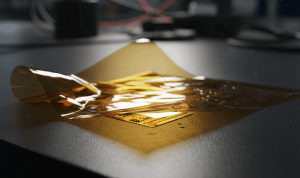
Polyimide coating refers to applying a high-performance layer of polyimide-based material onto a substrate (typically a film) to create a highly durable, heat-resistant barrier. This layer is more than just protection: it offers thermal stability, chemical resistance, electrical insulation, and long-term mechanical durability, making it ideal for mission-critical systems.
Key Benefits of Polyimide
Choosing a polyimide coating offers several compelling advantages:
✔️Extreme Heat Resistance: Can reliably endure temperatures up to 300 °C (572 °F) in some formulations, and even higher in specific use cases.
✔️Chemical & Flux Resistance: It resists aggressive flux chemistries, cleaning agents, and corrosive environments.
✔️Long-Term Durability: The engineered coating withstands abrasion, high-temperature cycling, and harsh handling.
✔️Electrical Insulation: Polyimide is a known dielectric material, it maintains excellent insulating properties, ideal for electronics and PCB applications.
The Polyimide Coating Process
The Polyimide coating process involves several key steps to ensure optimal adhesion, durability, and performance. Here’s an overview of the typical process:
1. Surface Preparation
The substrate surface is cleaned and prepped to ensure proper adhesion of the Polyimide coating. This can include sanding, chemical cleaning, or plasma treatment.
2. Coating Application
The Polyimide coating is applied using various methods such as spraying, dipping, or brushing. This ensures a uniform layer over the substrate.
3. Curing Process
The coated material undergoes a curing process, typically involving high heat, which solidifies the Polyimide coating and enhances its chemical and thermal resistance.
4. Quality Control & Testing
After curing, the coated product undergoes rigorous testing to check for adhesion, durability, and resistance to heat and chemicals.
Polyimide Coating vs Other Coatings
| Coating Type | Heat Resistance | Chemical Resistance | Electrical Insulation | Durability | Ideal Applications |
| Polyimide | Up to ~600 °C+ | Excellent | Excellent | Very High | Electronics, aerospace, automotive, industrial |
| Epoxy | ~120–150 °C | Moderate | Good | Moderate | General industrial, enclosures |
| Polyurethane | ~150–200 °C | Good | Moderate | Moderate | Protective coatings, automotive interiors |
| Silicone | ~200–250 °C | Good | High | High | Seals, flexible electronics |
Real-World Applications of Polyimide Coated Materials
Polyimide coatings are used across various industries for their superior heat resistance and durability. Here are some common applications:

Aerospace
- Engine components: Protects parts exposed to extreme heat and oxidation.
- Wiring insulation: Delivers reliable dielectric insulation even under thermal stress.

- Under-the-hood components: Polyimide coatings help withstand high engine temperatures.
- Fuel system parts: Offers protection against chemical exposure in automotive systems.
- Circuit boards: Polyimide coatings act as a dielectric material, protecting sensitive components.
- Flexible electronics: Coated polyimide materials provide flexibility, thermal stability, and strong adhesion, ideal for advanced electronics.
FAQs
What is the Polyimide coating process used for?
The Polyimide coating process is used to apply a highly durable, engineered polyimide coating to films, producing materials that resist heat, chemicals, and mechanical stress, ideal for critical industry applications.
How durable is Polyimide coating?
Polyimide coatings are extremely durable, offering long-term protection even in extreme conditions. Depending on the grade, they can withstand temperatures up to 300°C and are resistant to chemicals, making them ideal for high-performance applications in aerospace, automotive, and electronics.
Can Polyimide be used in electronics?
Yes. Particularly in PCBs, circuit boards, and flexible electronics. Polyonics’ polyimide label materials are common in these settings.
What makes Polyimide coating different from silicone or epoxy?
Polyimide offers superior temperature resistance (up to 600°C) compared to silicone (250°C) and epoxy (150°C). It also provides better chemical stability, superior electrical insulation, and long-term print durability.
What voltage can Polyimide withstand?
Certain polyimide materials can withstand kilovolt-level voltages (e.g., > 8 kV in some Polyonics datasheets) thanks to their dielectric properties.
Is Polyimide hazardous?
Polyimide itself is not considered hazardous under normal conditions. However, when it is heated to very high temperatures (above its decomposition point), it can release toxic fumes. Proper handling and safety precautions are recommended during manufacturing or processing.
Final Thoughts
The polyimide coating process is not just a manufacturing step, it’s a foundational technology that empowers materials to survive and perform in harsh, mission-critical environments. With Polyonics’ proprietary coatings and engineered polyimide materials, manufacturers in aerospace, electronics, automotive, and industrial sectors can rely on durable, heat-resistant, chemically robust solutions.
If you’re looking for a tailored coating solution, from HIGHdegree® labels for metal to Apex Series polyimide films for PCBs, Polyonics can help you design and source the right material. Talk to our materials experts today to explore custom polyimide coating options.


