
highdegree tags and labels


Polyonics is a specialty manufacturer of high-temperature label materials; not a distributor, not a middleman. Every label and tag we produce is purpose-engineered to withstand extreme heat, aggressive chemicals, and punishing abrasion in the most demanding industrial environments.
From solder reflow ovens to molten metal processing lines, our heat-resistant labels deliver scannable, legible identification where conventional products fail. If your process exceeds 300°F, you need labels built for the job.
Polyonics is a specialty manufacturer of high-temperature label materials; not a distributor, not a middleman. Every label and tag we produce is purpose-engineered to withstand extreme heat, aggressive chemicals, and punishing abrasion in the most demanding industrial environments. From solder reflow ovens to molten metal processing lines, our heat-resistant labels deliver scannable, legible identification where conventional products fail. If your process exceeds 300°F, you need labels built for the job.
Off-the-shelf labels weren’t designed for thermal extremes. When exposed to elevated temperatures, conventional materials break down, leading to lost traceability, compliance failures, and costly production errors.
Common failure modes:
Chemical breakdown — solvents, fluxes, and coatings dissolve standard label constructions
Imagine shipping the wrong alloy to a Tier 1 automotive supplier. One mislabeled billet. One heat-treated batch with unreadable markings. One million-dollar customer you may never win back.
This isn’t hypothetical; it happens when mills rely on manual marking methods that can’t survive the process. HIGHdegree™ high-temperature labels give you barcode-based track-and-trace that remains scannable from the foundry floor to final delivery.
HIGHdegree™ heat-resistant barcode labels are scannable even after 1,112°F exposure. 100% barcode readability after extreme heat cycles, verified in real-world steel and aluminum mill environments.
Temperature Range | Process | Recommended Material |
300°F – 500°F | Powder coating, paint curing, e-coat ovens | Engineered polyimide / coated constructions |
500°F – 750°F | Solder reflow, wave soldering, SMT assembly | High temperature polyimide labels |
750°F – 1,100°F+ | Molten metal processing, furnace, steel billet tracking | Aluminum-based / proprietary constructions |
The right material isn’t just about peak temperature; it’s about duration of exposure, thermal cycling, and the chemical environment surrounding the label. Polyonics engineers materials for all three.
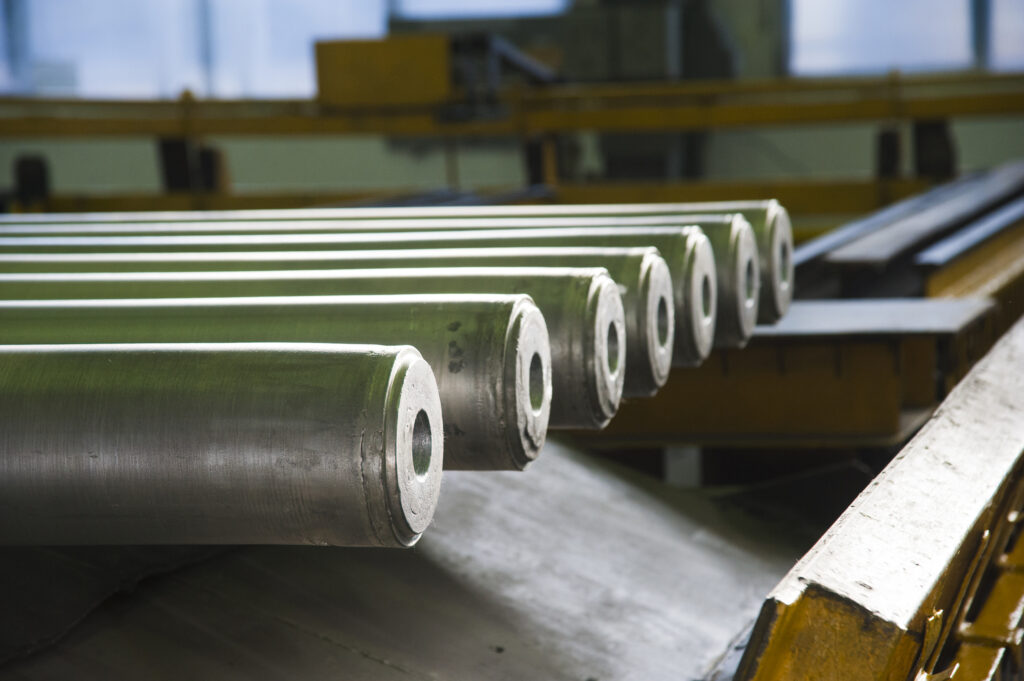
Polyonics engineers and coats its own high-temperature label materials in-house, giving you access to technologies that distributors simply cannot offer.
Material Type | Temperature Capability | Ideal Applications |
Polyimide (Kapton-type) | 500°F – 750°F continuous | PCB tracking, solder reflow, SMT assembly |
Aluminum-based constructions | Up to 1,112°F+ | Steel billets, aluminum coils, furnace exposure |
Proprietary coated substrates | Varies by construction | Powder coating, chemical exposure, abrasion-heavy environments |
Every material can be customized (adhesive chemistry, topcoat durability, and facestock construction) to match your exact process requirements.
Polyimide is the gold standard for high temperature labeling in electronics and PCB assembly. Because Polyonics engineers and coats its own polyimide materials in-house, you get complete control over thermal performance, adhesive bond strength, and topcoat chemistry.
Key advantages:
A label that survives the heat is only useful if the barcode remains scannable. Polyonics engineers its labels to maintain 1D and 2D barcode readability through extreme thermal cycles, critical for traceability across:

The metal industry presents the most extreme labeling challenges: molten metal splashes, furnace exposure exceeding 1,100°F, rough and oxidized surfaces, and outdoor storage.
HIGHdegree™ labels are engineered specifically for hot metal tracking, furnace identification, and steel/aluminum part marking throughout the entire production lifecycle.
Application-specific solutions:
Application | Max Temp | Recommended Product |
Steel Billets & Slabs | 1,112°F | MT-3630 |
Aluminum Coils & Ingots | 750°F | ML-3703 |
Rebar & Long Products | 1,000°F | MT-3630 |
Sows & Plates | 1,112°F | MT-3630 |
In electronics manufacturing, labels must survive solder reflow, wave soldering, selective soldering, and conformal coating, often all on the same board.
Polyonics’ high-temp labels for PCB assembly are engineered to maintain adhesion through multiple reflow cycles (peak temps 260°C+), resist no-clean flux, IPA, and conformal coatings, and prevent contamination from outgassing.
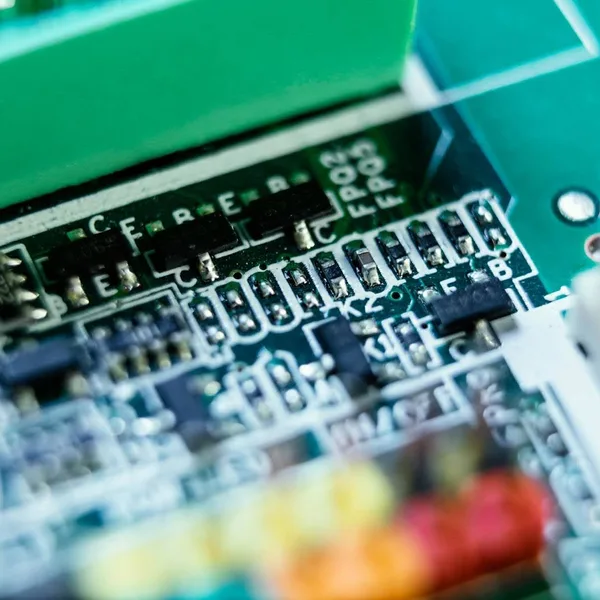
Still marking billets with crayons or paint sticks? Here’s what that’s really costing you.
Criteria | Crayons / Paint | HIGHdegree™ Labels |
Readability after heat | Fades or disappears entirely | Barcode-scannable after 1,112°F |
Traceability | Manual, error-prone, operator-dependent | Digital, automated, verifiable |
Compliance & Audits | No digital trail | Full traceability with scan records |
Customer Confidence | Risk of disputes, wrong-alloy shipments | Documented proof of quality at every stage |
Switching Effort | — | Low: Polyonics supports the full transition |
Most companies selling high temperature labels are distributors. Polyonics is the manufacturer. We engineer and coat our own materials in our own facility, giving us complete control over adhesive chemistry, topcoat performance, and substrate construction.
What this means for you:
Temperature certified: 1,112°F / 600°C. Proud AIST member.
Ask The Experts: Get a Custom Label Recommendation
Our engineers have spent three decades solving labeling challenges in the most extreme thermal environments. Tell us about your process (temperature, duration, surface, and chemical exposure), and we’ll recommend the right material for reliable, scannable identification.
It depends on the material. Polyimide-based labels handle continuous exposure from 500°F to over 700°F, while HIGHdegree™ metal industry products can withstand brief exposures up to 1,112°F. Duration, peak temperature, and chemical environment all factor into the recommendation.
Yes. Many of our high temperature labels are designed specifically for thermal transfer printing with compatible ribbons, producing durable, scannable barcodes proven to survive extreme heat cycles.
HIGHdegree™ labels use pressure-sensitive adhesive to bond directly to a surface, ideal for smooth or moderately textured metals. HIGHdegree™ tags attach mechanically via wire, bands, or fasteners, better for rough, irregular, or extremely hot surfaces where adhesive alone won’t hold.
Yes. Polyonics offers adhesive formulations for rough, oxidized, and uneven metal surfaces. For extremely rough or scaled surfaces, HIGHdegree™ tags provide a mechanical attachment alternative that eliminates adhesion challenges entirely.
Absolutely. Because we manufacture our own materials, we can customize facestock, adhesive, and topcoat to your exact process. We offer custom die-cut sizes and free samples for testing before any production commitment.
The best approach is to consult our technical team directly. We’ll evaluate your temperatures, exposure duration, surface materials, and chemical environment to recommend the optimal label construction.
Need more information?
Polyonics is proud to be associated with or be a member of the following industry organizations:





PRODUCTS
INDUSTRIES
ABOUT US
RESOURCES
Consumer Advisory: Polyonics products are intended for industrial use only.