

In technical and industrial environments, selecting the right materials is a matter of performance, safety, and compliance. Product label materials used in these settings must withstand harsh conditions, including extreme temperatures, chemical exposure, constant abrasion, and mechanical stress.
Beyond durability, many industrial and electronics applications also demand strict adherence to industry standards and regulations, making the selection of high-performance labeling materials critical to long-term reliability and traceability.
At Polyonics, we specialize in engineered product label materials designed to meet these exact challenges. We focus on durable, compliant solutions for demanding industries like electronics, aerospace, and automotive, providing labeling materials that don’t just stick—they perform under pressure.
What Are Labeling Materials?
Labeling materials are the combined components used to create durable, high-performance labels for industrial, commercial, and consumer applications. Their main purpose is to ensure product identification, safety, traceability, and regulatory compliance—even in harsh environments.
Key Components
- Facestock – The top layer where information is printed. Materials include paper, polyester, polyimide, or vinyl, chosen based on durability needs.
- Adhesive – Bonds the label to a surface. Options include pressure-sensitive, removable, or heat-activated adhesives, selected by temperature and surface type.
- Liner – The backing that protects the adhesive and helps with label handling during printing and application.
Why Compliance Matters in Labeling Materials
In aerospace, electronics, and automotive industries, compliance in labeling materials isn’t optional—it’s essential. Labels must meet strict industry standards (such as UL, REACH, RoHS, or MIL-STD) to ensure they perform reliably under demanding conditions.
The Risks of Non-Compliance
- Regulatory fines for failing to meet standards like UL, REACH, RoHS, or MIL-STD
- Product recalls due to incorrect, missing, or illegible labeling
- Legal liability for safety or traceability violations
- Reputation damage from labeling failures in the field
- Supply chain disruptions caused by misidentified or non-compliant components
- Increased costs from rework, relabeling, or scrapped inventory
- Operational delays due to failed inspections or audits
Types of Label Materials for Harsh Environments
In harsh industrial environments, labels must endure heat, chemicals, abrasion, and more. Below are the most commonly used label materials engineered for high performance in demanding conditions.
Polyimide Labels
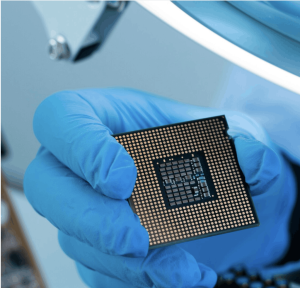
Engineered for extreme temperatures and chemical exposure, polyimide labels are ideal for electronics manufacturing, aerospace, and applications involving soldering or thermal cycling. They maintain adhesion and readability up to 500°F (260°C).
➡️At Polyonics, we specialize in advanced polyimide label materials built to perform in the most demanding environments. Our polyimide solutions are engineered to withstand extreme heat, chemical exposure, and mechanical stress—making them the trusted choice for electronics manufacturing, aerospace, and automotive applications.
Polyester (PET) Labels

PET labels offer excellent durability, chemical resistance, and dimensional stability. They’re commonly used in automotive, appliances, and industrial equipment—especially where exposure to abrasion or oils is a factor.
Polypropylene (PP) Labels

Polypropylene labels are a more economical option than PET and provide moderate chemical resistance and flexibility. They’re often used in logistics, packaging, and light industrial labeling where extreme temperatures are not a concern.
Vinyl Labels

Flexible and conformable, vinyl labels are excellent for curved or uneven surfaces such as wires, pipes, and outdoor equipment. They resist moisture, UV exposure, and light chemicals, making them suitable for both indoor and outdoor use.
Specialty Materials (Aluminum Foil, Kapton®, etc.)
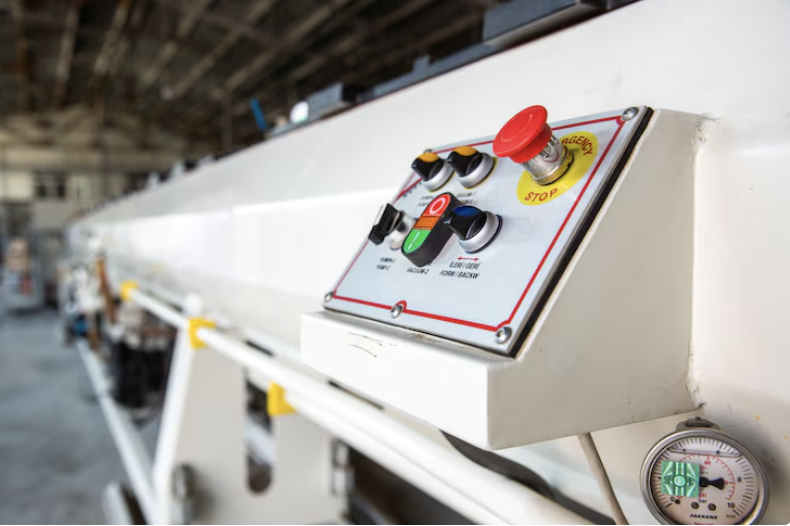
These materials are used in extreme environments where standard synthetics fall short. Aluminum foil labels offer excellent durability against abrasion and heat, while materials like Kapton® are used for high-temp and high-reliability applications. Tamper-evident films also fall under this category.
💡Check out our blog to learn more about Polyimide vs Kapton
How to Choose the Right Label Material
Choosing the correct labeling material depends on the specific environment, application, and compliance needs. Below are the key factors to consider:
Environmental Resistance
Will the label be exposed to high temperatures, chemicals, moisture, UV, or abrasion? Select a material that can withstand those specific conditions.
Engineered to Perform: The Polyonics Coating Advantage
Coating Characteristics
At Polyonics, it’s the unique characteristics of our coatings that define the performance and reliability of our products. Engineered to meet the most demanding industry standards, our coatings offer
- Flame retardancy
- Chemical resistance
- Thermal stability
- Durability in high-temperature and harsh environments
These aren’t just added features, they’re the result of carefully developed, in-house formulations that are exclusive to Polyonics.
While films, adhesives, and liners form the structural base, our proprietary coatings truly set us apart. Unlike standard materials, our coatings transform these components into high-performance solutions that no off-the-shelf product can replicate. Developed in-house, these exclusive formulations deliver unmatched performance, reliability, and safety.
Surface Type and Adhesion Needs
Different adhesives are required for smooth, rough, oily, or curved surfaces. Material choice should match the surface characteristics for long-term adhesion.
Regulatory and Industry Compliance
Ensure the material meets necessary certifications, such as UL, RoHS, REACH, and MIL-STD, to guarantee safety, traceability, and legal compliance in your industry.
➡️We offer a wide range of high-performance labeling materials that are tested and certified to meet these strict regulatory standards, helping you stay compliant and audit-ready.
Customization Needs
Consider whether the label needs variable data printing, barcodes, tamper evidence, or custom shapes. Some materials are more compatible with specific printing and finishing processes.
Industry Requirements
- Electronics & PCB Manufacturing
- Recommended Materials: Polyimide, Kapton®
- Key Needs: High heat resistance, ESD protection, UL 969 compliance
- Explore our high-performance labeling solutions for electronics and PCBs
- Aerospace & Defense
- Recommended Materials: Aluminum Foil, Flame-retardant Polyimide
- Key Needs: Extreme temperature tolerance, flame retardance, MIL-STD compliance
- Explore our labeling materials engineered for aerospace environments
- Automotive & Heavy Equipment
- Recommended Materials: Polyester (PET), Aluminum Foil, Polyimide
- Key Needs: Resistance to oils, solvents, abrasion, and engine heat
- Discover durable labeling solutions built for automotive performance
- Medical Devices & Laboratory Equipment
- Recommended Materials: Polyester (PET), Polypropylene
- Key Needs: Sterilization compatibility, abrasion resistance, FDA or REACH compliance
- Ensure compliance and clarity with labeling solutions for medical and lab environments

Need a Custom Labeling Solution?
Not every application fits a standard label—and that’s where we come in.
At Polyonics, we specialize in developing custom-engineered labeling materials tailored to your exact requirements, whether you need unique adhesives, extreme durability, or compliance with niche industry standards.
From prototypes to full-scale production, our team is ready to collaborate.
👉 Learn more about our custom labeling capabilities
Label Material Comparison Table
| Material | Max Temp | Chemical Resistance | Compliance | Use Cases |
| Polyimide | Up to 500°F (260°C) | Excellent | RoHS, REACH, UL 969 | High-temp electronics, PCB labeling, aerospace components |
| Polyester (PET) | Up to 300°F (150°C) | Good | UL, CSA, REACH | Asset tracking, barcode labels, nameplates, general equipment labeling |
| Polypropylene (PP) | Up to 200°F (93°C) | Moderate | FDA, REACH (varies by grade) | Indoor industrial inventory, temporary ID labeling |
| Vinyl | Up to 176°F (80°C) | Moderate to Good | OSHA, GHS, REACH | Outdoor safety signage, chemical drums, warehouse labeling |
| Aluminum Foil | Up to 600°F (315°C) | Excellent | MIL-STD, RoHS, UL | Aerospace, automotive, high-heat mechanical parts |
| Kapton® (PI Film) | Up to 752°F (400°C) | Excellent | UL 94V-0, REACH | Extreme heat environments, insulation labeling, aerospace and defense sectors |
Get a Custom Label Material Recommendation
Need help choosing the right label material? Our experts will match you with a solution based on your environment, industry, and compliance needs.
Contact us today for a tailored recommendation.
FAQs
What are the most durable label materials?
Polyimide, polyester (PET), and aluminum foil are among the most durable, resisting heat, chemicals, abrasion, and harsh environments.
Which labeling materials are heat resistant?
Polyimide is the top choice for high heat, handling temps up to 500°F (260°C). Aluminum foil and Kapton® also perform well in elevated temperatures.
What materials are used in label printing for electronics?
Polyimide is most commonly used for circuit boards and components. Polyester and Kapton® are also used where heat and chemical resistance are required.
Are there label materials that meet RoHS or REACH compliance?
Yes. Many industrial label materials, including polyimide and PET, are engineered to meet RoHS, REACH, and other global regulatory standards.
What’s the difference between polyester and polyimide labels?
Polyester is durable and chemical-resistant, ideal for general industrial use. Polyimide is better for high-heat and electronics applications due to its thermal stability.


