
In mission-critical industries like aerospace, automotive, and electronics manufacturing, material failure isn’t just an inconvenience—it’s a liability. Flame retardant materials are the frontline defense in environments where high heat, chemicals, and electrical arcs are daily realities.
This guide explores the essential fire resistant materials list, how these technologies protect your assets, and how to choose the right solution for your specific application.
Unlike standard materials, flame retardant materials are engineered or treated to inhibit, suppress, or delay the spread of fire.
These materials do not make products fireproof, but they significantly improve fire performance and compliance with industry standards.
Different applications require different approaches to flame resistance. Below are common categories of fire retardant materials used across different industries.
Flame retardant polymers are used in films, plastics, and engineered materials that must perform under heat stress. They resist ignition at elevated temperatures, maintain structural integrity under thermal exposure and often meet UL, V-0, or industry-specific standards.

Example: Polyimide films
Flame retardant coatings are applied to a substrate to enhance fire performance. They may expand (intumesce) when exposed to heat, create a thermal barrier between the flame and substrate and are used where surface protection is required.
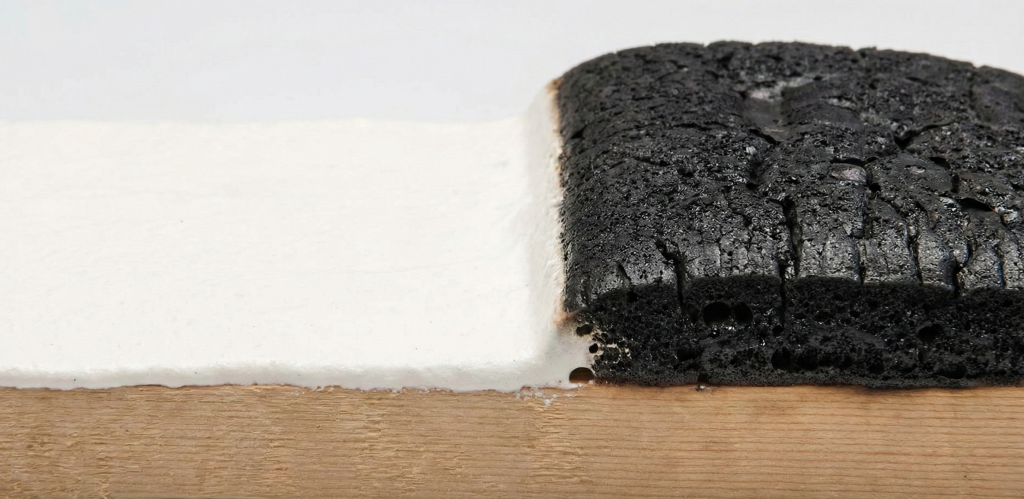
Example: Intumescent coatings
Used in environments where direct human exposure is a concern. They’re treated or inherently flame resistant, designed to self-extinguish and are common in industrial safety applications.
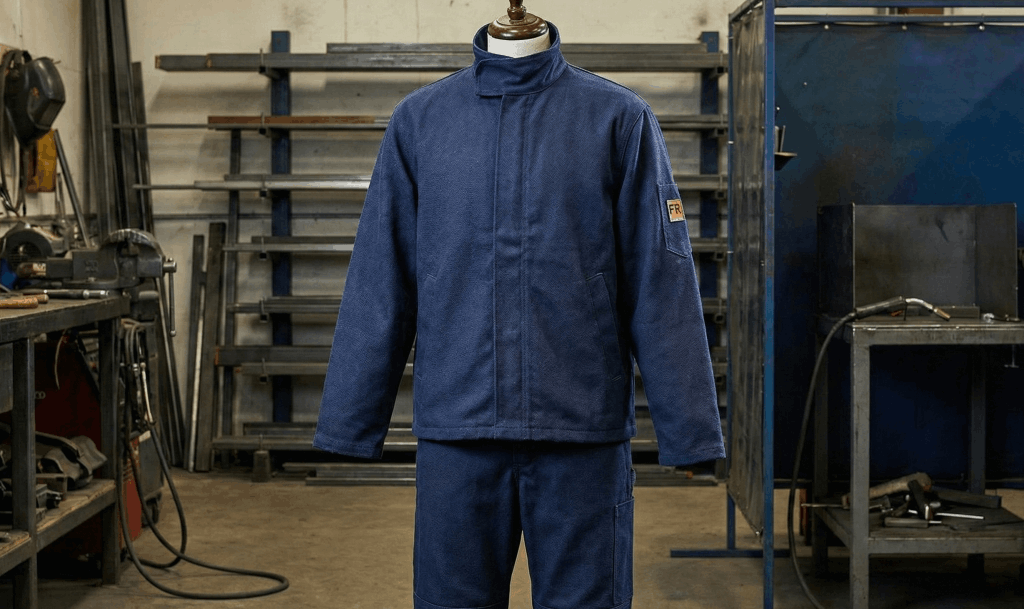
Example: Fire-resistant workwear
Flame retardant materials don’t make an object “fireproof” (which implies it is indestructible), but they significantly alter the combustion process through three primary methods:
In the procurement and engineering world, these terms are often used interchangeably, but there is a key distinction:
Flame retardant and fire resistant materials are widely used in industries where heat exposure and fire risk are present, for enhanced safety and compliance with fire safety standards.

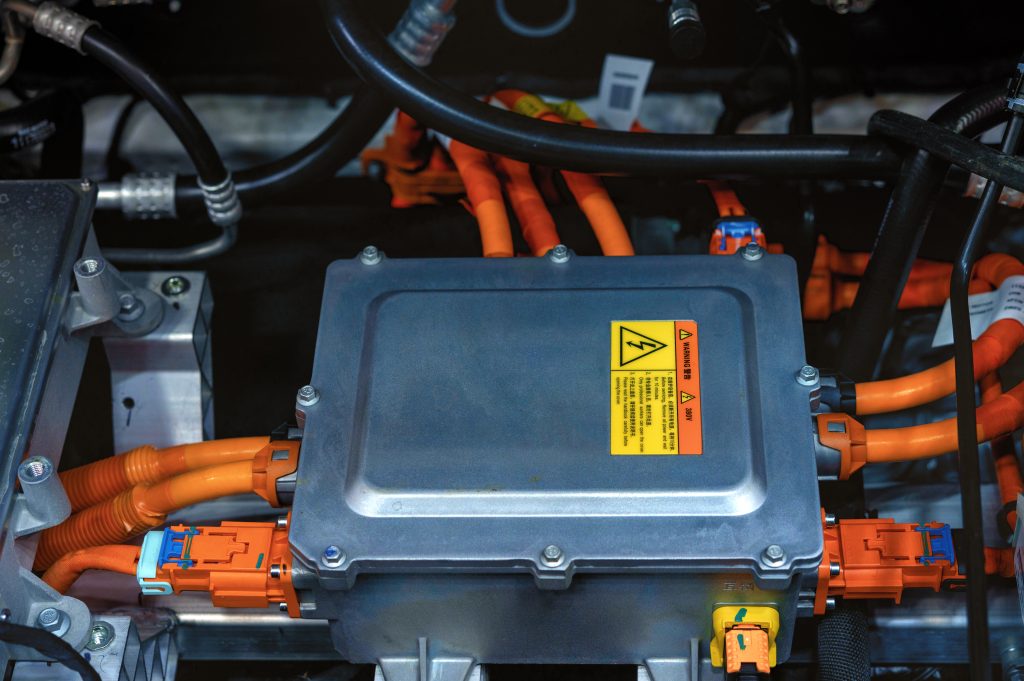
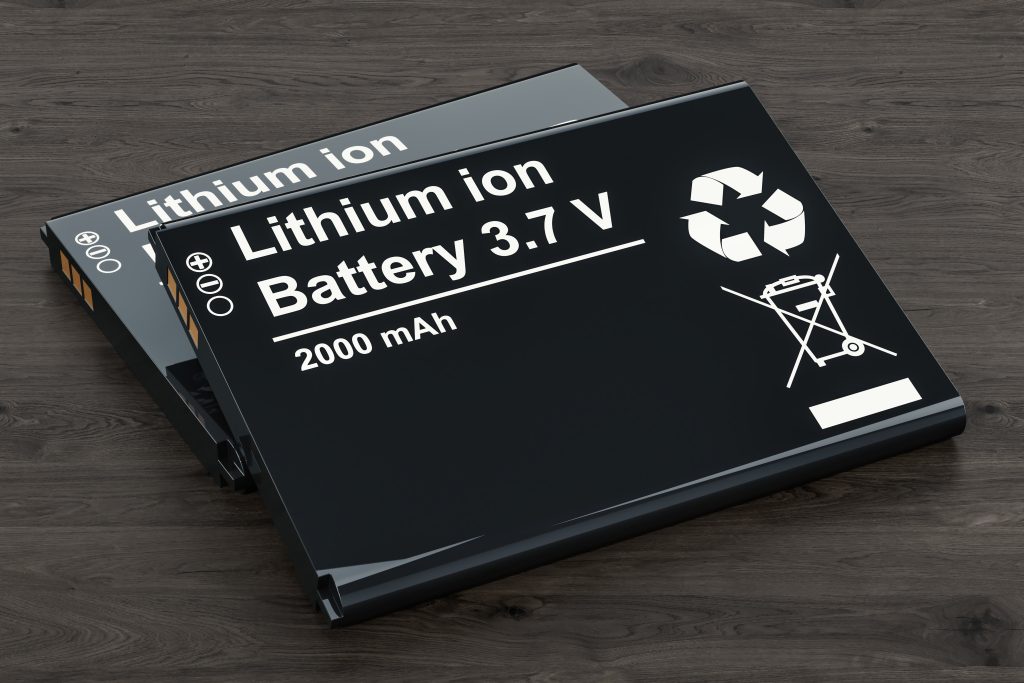
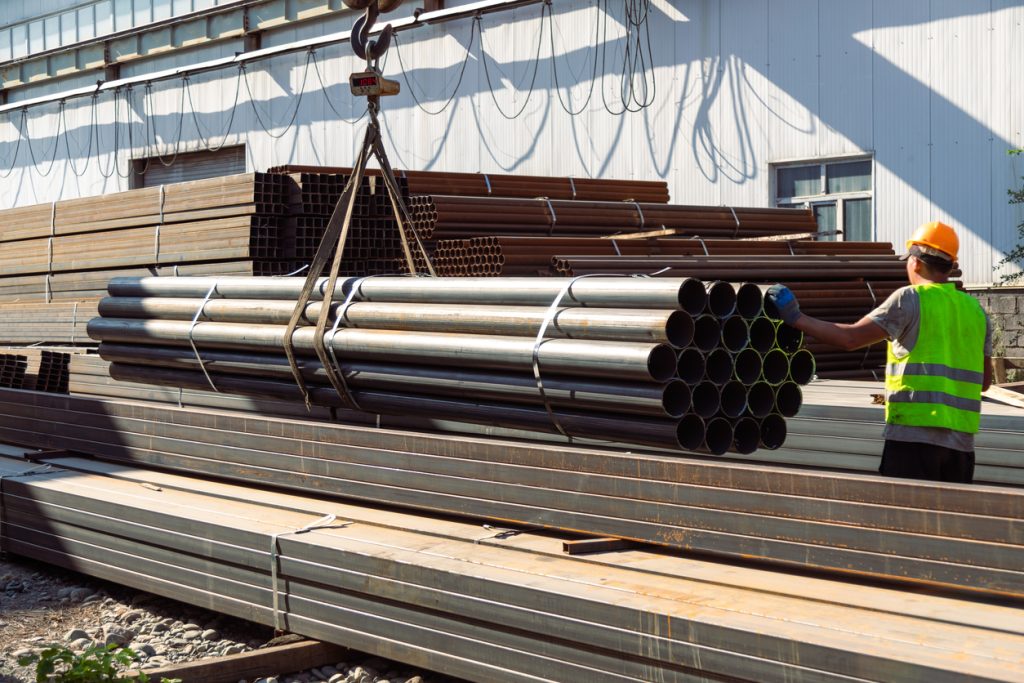
Below is a fire-resistant materials list commonly used in industrial and technical applications:
| Material | Type | Application | Common Uses |
| Polyimide Films | Polymer | Aerospace, Electronics, Automotive | Circuit boards, high-heat labels, insulation |
| Flame Retardant Polyester | Polymer | Industrial textiles | Protective coverings, upholstery |
| Intumescent Coatings | Chemical Coating | Structural materials | Fire protection for metal or wood |
| Flame Retardant Fabrics | Fabric | Industrial safety | Protective uniforms, workwear |
| Vermiculite | Mineral | Industrial insulation | Fireproofing, thermal insulation |
| Aluminum Foils | Metal | Electronics, insulation | Heat reflection, electrical shielding |
| High-Temperature Labels | Polymer | Electronics, Automotive, Aerospace | Durable identification in high-heat environments |
| Anti-Static Labels | Polymer | Electronics | ESD-safe identification |
| Ceramic Fiber | Fibrous Material | Industrial, Aerospace | Thermal insulation, fire barriers |
| Engineered Polymer Blends | Polymer Mix | Multi-industry | Custom fire-resistant solutions |
Using properly specified flame retardant materials offers several advantages:
✔️ Enhanced Safety: Reduced fire propagation and ignition risk
✔️ Regulatory Compliance: Supports UL, RoHS, REACH, and industry standards
✔️ Performance Reliability: Maintains function under high heat
✔️ Risk Reduction: Helps minimize damage, downtime, and liability
Yes. In industrial settings, flame retardant materials are engineered to meet strict safety and regulatory standards. Material selection should always align with the specific application and compliance requirements.
Durability depends on the material type and use. Inherently flame-resistant materials (such as polyimide films) offer long-term performance, while applied coatings may degrade over time and require reapplication.
Yes, certain coatings can be applied to compatible substrates, though performance varies based on surface conditions and exposure levels.
While asbestos was used historically, it is now banned. Today, Ceramic fibers, Polyimides, and specialty Aluminum-coated films are the industry standards for extreme heat and fire resistance.
Older chemical flame retardants raised environmental and health concerns. Modern industrial materials are designed to comply with safety, environmental, and regulatory standards, minimizing risk when used as intended.