
Electrostatic discharge (ESD) can cause irreversible damage to sensitive electronics and machinery. For industries such as electronics, aerospace, and automotive, using ESD-safe materials is essential to ensure product integrity and compliance. In this guide, we’ll explain what ESD safe is, explore key material options including aluminum and polyimide, and highlight Polyonics’ engineered solutions.
What Does ESD Safe Mean?
Wondering what “ESD safe” is? ESD safe materials are engineered to prevent static build-up and uncontrolled discharge, protecting sensitive electronic components during manufacturing, storage, and transport. Without ESD protection, devices can fail, corrupt data, or suffer latent defects.
These materials reduce the risk of electrostatic discharge during manufacturing, transportation, and storage.
Electronic devices can suffer from malfunctions, data loss, or even complete failure without ESD-safe materials.
ESD Safe Materials List
ESD Safe Plastic Materials
These plastics are utilized for protective casings and packaging. Conductive or static-dissipative polymers are employed in housings, trays, and packaging for sensitive electronics.
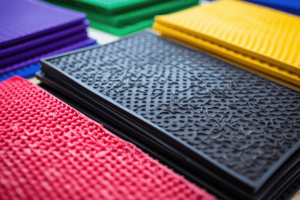
ESD Safe Tapes and Films
Tapes and films are used to shield electronics from external static charges during handling and storage. They protect electronic assemblies and help mitigate charge accumulation on transport or work surfaces. These materials offer both temporary and long-term protection.

ESD Safe Polyimide Films
These polyimide high-performance films are renowned for their temperature resistance and exceptional static dissipation properties. They are ideal for aerospace and electronics and endure high temperatures and stress.

Aluminum Foil
Because of its conductive properties, aluminum foil is commonly used to protect sensitive devices from electrostatic damage. It serves as a practical and cost-efficient solution for shielding packaging, particularly in aerospace and automotive sectors, where component reliability is essential. Its lightweight and flexible nature allows it to effectively wrap around various shapes.

Before reviewing specific materials, it’s helpful to understand how different ESD-safe options rank in performance and common use. The table below compares each material and highlights how each provides different advantages.
| Material Type | ESD Protection Level | Common Uses |
| Conductive Plastics | High | Component housings, assemblies |
| Conductive Rubber | High | Work surfaces, flooring |
| Polyimide Films | High | Aerospace, electronics, automotive |
| Aluminum Foil | Moderate | Shielding, packaging |
Why Is ESD Protection Crucial in Electronics and Aerospace?
Electrostatic discharge (ESD) can cause significant damage to circuit boards, sensors, and semiconductor devices, ultimately leading to costly repairs or replacements. In aerospace applications, the demand for extreme durability in labels and tapes is paramount.
These materials must withstand not only high temperatures but also extreme vibration and exposure to harsh chemicals found in aviation environments. Ensuring that labeling and adhesive solutions can endure these conditions is essential for the safety and effectiveness of aerospace systems.
To meet these rigorous requirements, industry standards such as MIL-STD-130 and FAA regulations mandate the use of certified ESD-safe materials. These standards ensure that the materials used are reliable, safe, and traceable, helping to protect vital electronic components from ESD damage while maintaining industry compliance.
Understanding and adhering to these standards is critical for manufacturers looking to enhance the safety and longevity of their products.
How to Choose the Right Material
- Temperature Resistance: Critical in high-heat environments—like engine bays or assembly ovens.
- Chemical Exposure: Choose materials whose adhesives and materials resist fluids like oils and solvents.
- Mechanical Stress: In high-wear conditions, opt for durable, abrasion-resistant films.
- Industry Standards: Look for UL 94V-0, MIL-STD compliance, or similar certifications as required.
Materials by Polyonics
High-Performance Polyimide Labels
Polyonics’ polyimide labels deliver outstanding heat resistance and static dissipation, making them ideal for demanding aerospace and electronics environments. Designed to withstand high temperatures while maintaining durability, these labels ensure long-term reliability across critical applications.
For precision tracking in PCB and component workflows, check out our High-Performance Polyimide Labels engineered for extreme processes in electronics manufacturing.
Aluminum Foil Labels
Polyonics’ aluminum foil labels offer lightweight, thermally conductive properties, making them perfect for aerospace and automotive applications.
They provide a secure barrier against static and other environmental factors, ensuring label legibility and durability.
FAQs
What is the classification of ESD materials?
ESD safe materials are generally grouped into three main categories based on their surface resistivity and how they manage static discharge:
- Conductive materials allow nearly instantaneous charge flow with low resistivity (typically less than 1×10⁵ ohms/square), making them excellent at directing electrostatic discharge safely to ground.
- Static-dissipative (ESD-safe materials) have controlled resistivity, usually between 1×10⁵ and 1×10¹¹ ohms/square, which helps prevent sudden discharges that could damage sensitive electronics.
- Insulative materials resist electrical conduction even more strongly (greater than ~1×10¹² ohms/square), meaning they trap charge and are not appropriate for ESD-sensitive environments.
How to check if something is ESD safe?
To check if a material is ESD safe, it must have a surface resistivity between 10^4 and 10^11 ohms, ensuring it can safely discharge static electricity without damaging sensitive components. Specialized testing equipment, like an ohmmeter, can be used to measure this resistance.
Are nylon 12 CF and aluminium ESD safe?
Nylon 12 CF is typically ESD safe due to its conductive properties, especially when carbon fibers are added; however, aluminum is generally considered ESD safe because it can dissipate static charges, but its effectiveness depends on the application.
What items are prohibited in ESD?
Materials like plastic bags, clothing made of synthetic fabrics, and non-ESD-compliant tools are prohibited in ESD-safe environments. These can generate and retain static charges that may damage sensitive electronics.
Final Thoughts on ESD Safe Materials
Choosing the right ESD-safe material is crucial for protecting sensitive electronics and machinery from static discharge. With a variety of options available, including Polyonics’ high-performance polyimide films and aluminum foil labels, industries like aerospace, electronics, and automotive can ensure that their components remain safe, functional, and compliant with industry standards.
To find out how Polyonics can help with your ESD-safe material needs, contact us today.


