
Automotive labeling plays a critical role in ensuring safety, quality, and compliance within the automotive industry. From ensuring traceability to meeting regulatory requirements, automotive labels serve multiple purposes in the manufacturing process. This guide explores the standards, requirements, and best practices for automotive labeling.
Why Automotive Labeling Standards Matter
Safety and Compliance
Labels help in maintaining safety standards by identifying hazardous components, providing maintenance instructions, and ensuring parts are traceable throughout their lifecycle.
Industry Regulations
Compliance with regulatory bodies like the Department of Transportation (DOT), the Environmental Protection Agency (EPA), and the National Highway Traffic Safety Administration (NHTSA) is crucial. For a closer look at durable labeling solutions for automotive applications, such as under-the-hood and interior labeling, check out this page: Automotive Labels.
Traceability and Quality Control
Labels ensure that each part can be traced back to its origin, which is essential for recall management and quality control.
Key Labeling Standards
Automotive Labeling Requirements:
- Durability: Labels must be able to withstand extreme conditions such as high heat, moisture, exposure to chemicals, and mechanical wear. High-performance materials and adhesives are required to ensure longevity and legibility throughout the vehicle’s lifecycle.
- Material Compliance: Materials used in automotive labeling must meet specific environmental and performance standards such as RoHS (Restriction of Hazardous Substances), REACH (Registration, Evaluation, Authorization and Restriction of Chemicals), and UL (Underwriters Laboratories) certifications.
- Content Requirements: Labels should include essential details such as product specifications, handling instructions, part numbers, and manufacturer details.
Industry-Approved Standards:
- ISO 9001: Ensures quality management systems are in place.
- SAE J1XXX Series: Specific to automotive manufacturers and part suppliers.
- MIL-STD-130: A military standard for labeling, applicable to parts used in defense-related automotive manufacturing.
Components of Automotive Labels
Material Types:
✔️ Polyimide Films: Ideal for high-temperature environments such as engine compartments, polyimide films offer exceptional heat resistance and mechanical strength, making them perfect for under-the-hood applications.

✔️ Aluminum Foil: Provides excellent chemical resistance and durability, often used for components that require extra protection against harsh chemicals or environmental conditions.

✔️ ESD-Safe Labels: These labels are designed to protect sensitive electronic components from electrostatic discharge (ESD), ensuring that electrical parts remain undamaged during manufacturing and use.

Adhesion & Durability:
Labels must remain intact under extreme temperatures, abrasions, and exposure to chemicals. High-performance adhesives play a key role in ensuring that labels adhere securely to surfaces, even in harsh conditions.
Adhesives must be specifically engineered for the automotive industry to withstand vibrations, weather exposure, and the constant movement of components.
Understanding Automotive Labeling Requirements
Under-The-Hood Labels
✔️ Heat-resistant labels for engine components, electrical systems, and hoses.
✔️ Regulatory requirements for fuel system components.
Exterior Parts
✔️ Labels for body parts, such as bumpers and doors, ensuring UV and weather resistance.
Component Tracking & Compliance
✔️ Barcode and QR code labeling for easy tracking during manufacturing, assembly, and service.
How to Ensure Compliance
Choosing the Right Materials
Selecting the right materials is crucial based on the specific requirements of each part. For instance, parts exposed to high temperatures require heat-resistant labels, while parts that will be exposed to chemicals need materials that offer superior chemical resistance.
Additionally, focus on certifications such as UL, ISO, and RoHS compliance to guarantee the materials meet safety and environmental standards.
Labeling Processes
The process of applying labels can be done manually or automatically. High-speed, automated labeling systems help ensure consistency and efficiency in mass production, while manual labeling may be used for more intricate or customized parts.
During the application process, it’s essential to maintain high-quality control to ensure that labels are applied accurately and are legible.
Polyonics Automotive Labeling Solutions
- Polyimide Films: Engineered for extreme heat and mechanical stress.
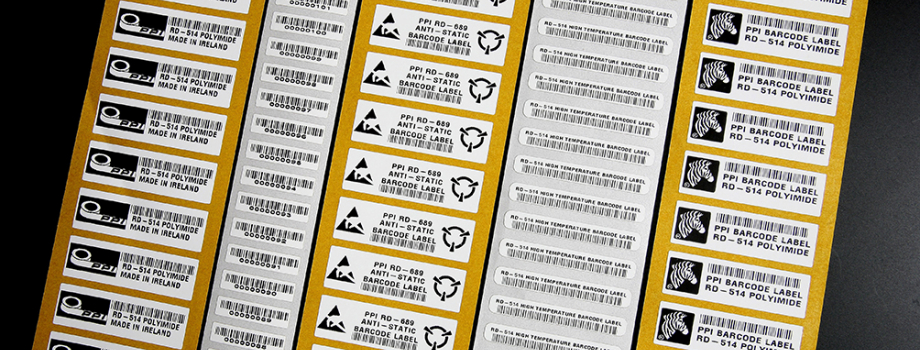
- Flame-Retardant Labels: UL 94V-0 rated, perfect for under-the-hood applications.

- Custom Solutions: Tailored materials for specific automotive applications, offering quick turnaround times.
FAQs
What materials are best for automotive labels?
Polyimide films, aluminum foils, and high-temperature-resistant materials are some of the best materials for automotive labels. These materials offer durability, resistance to chemicals, heat, and mechanical wear, ensuring that the labels stay intact throughout the vehicle’s lifecycle.
Are there specific labeling standards for electric vehicles (EVs)?
Yes, EVs require specialized labels to indicate components related to the battery systems, including voltage and risk information. These labels must be designed to withstand the unique conditions of EVs, including exposure to high voltage and sensitive electronic components.
How can I ensure my automotive labels comply with regulatory standards?
To ensure compliance, use materials that meet UL, RoHS, and ISO certifications. Also, ensure that the content of the labels is clear, readable, and compliant with industry regulations, including part numbers, safety warnings, and other necessary information.
What are ISO standards for automotive?
ISO standards for automotive refer to a set of internationally recognized guidelines that ensure the quality, safety, and performance of automotive products and processes. Key standards include ISO 9001 (quality management systems), ISO/TS 16949 (automotive quality management), and ISO 14001 (environmental management), which help manufacturers meet regulatory requirements, enhance product reliability, and improve operational efficiency.
In the automotive industry, labeling isn’t just about identification; it’s a critical element of safety, regulatory compliance, and operational efficiency. By understanding and adhering to labeling standards, manufacturers can ensure their products are reliable, traceable, and compliant with industry regulations. For durable, compliant labeling solutions, Polyonics offers advanced materials that meet the toughest automotive requirements.
Need help with automotive labeling? Contact Polyonics today for expert labeling solutions that meet the highest standards.
Contact us now


